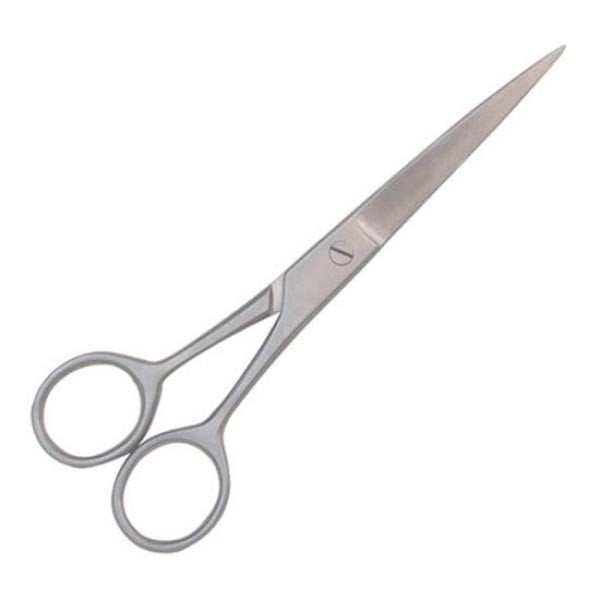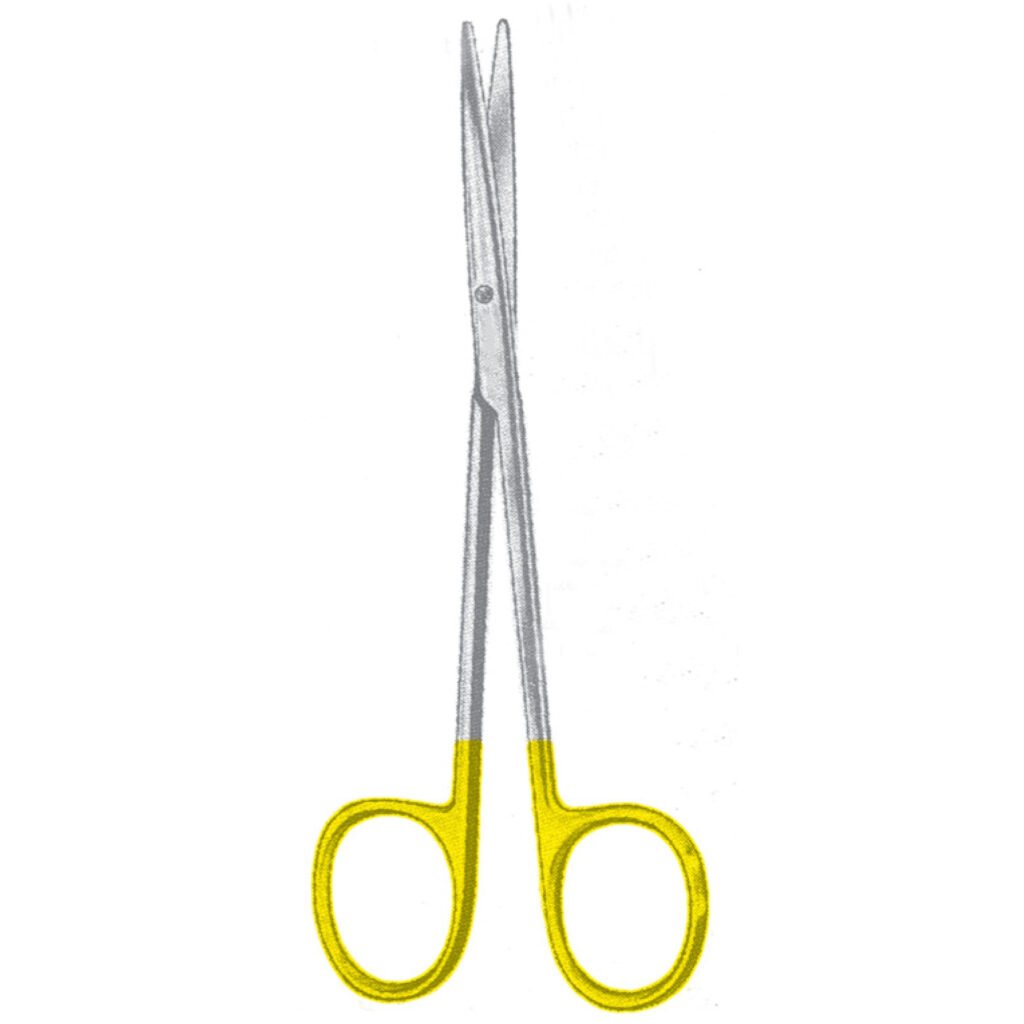


Convex or bevel edge, offset or opposing grip, 5.5 or 6.5 inch: everything barbers, salons and beauty brands need to know about hair cutting scissors.
Monthly Archives: October 2026
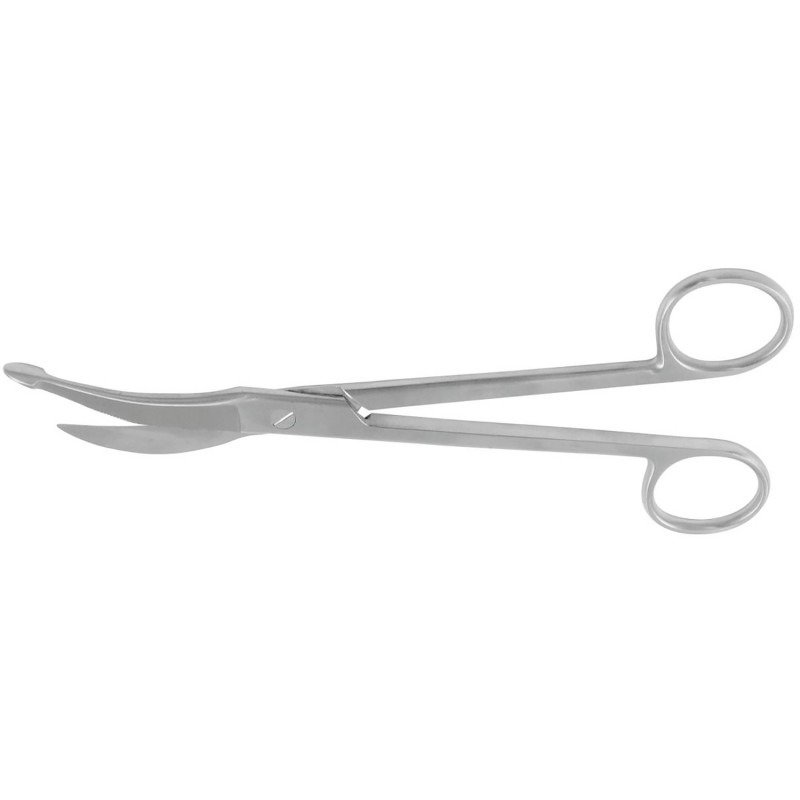
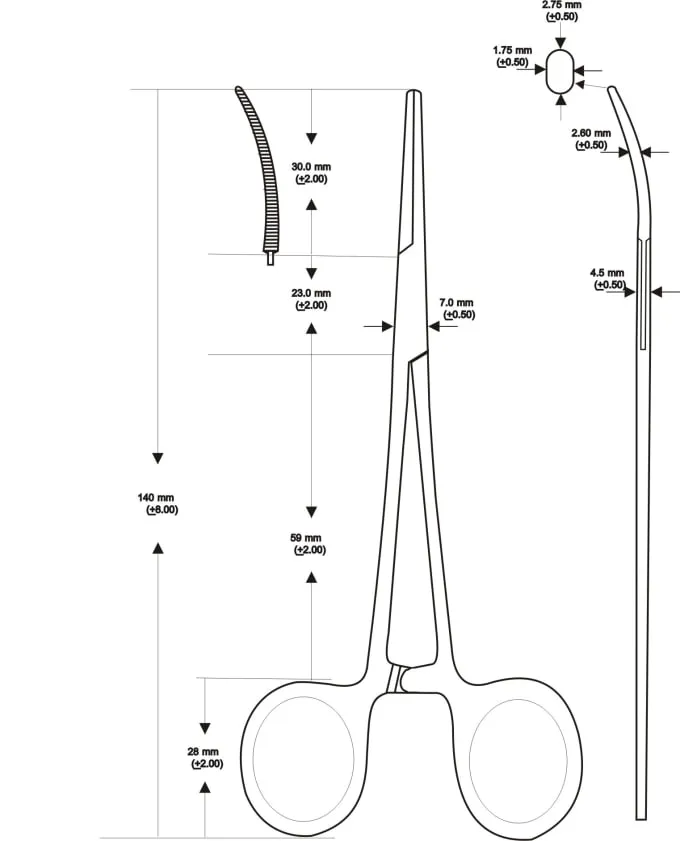
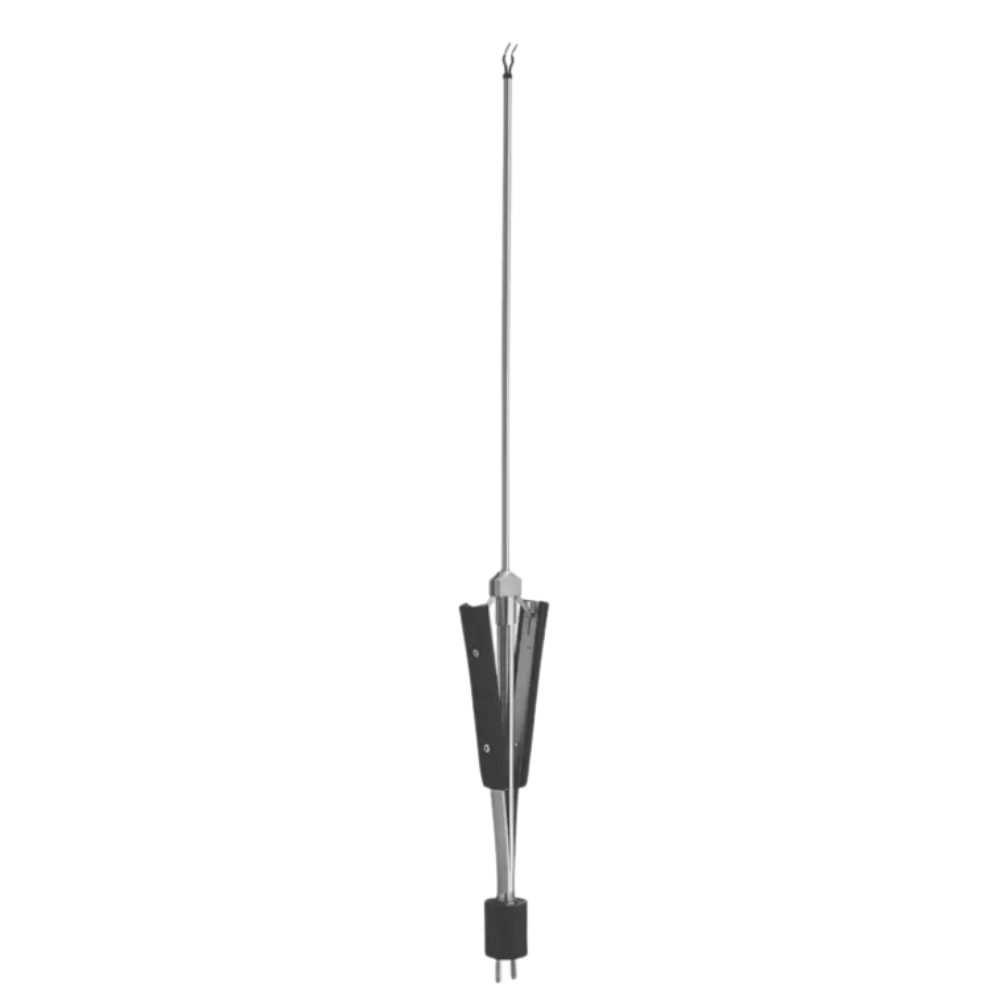
How bipolar forceps work, the main types and tip options, and the quality checks hospitals and distributors should make before buying.
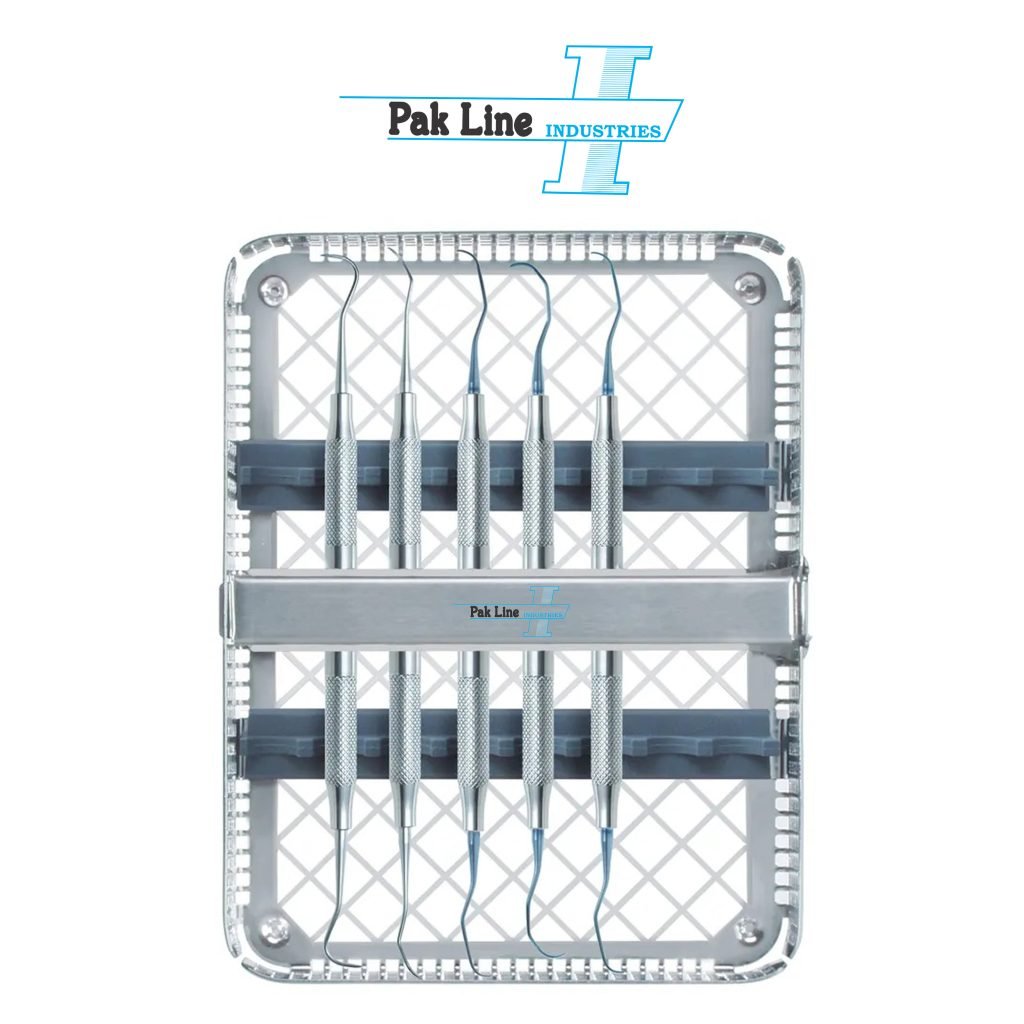
From point-of-use care to autoclaving: a practical step-by-step guide to reprocessing reusable surgical and dental instruments.
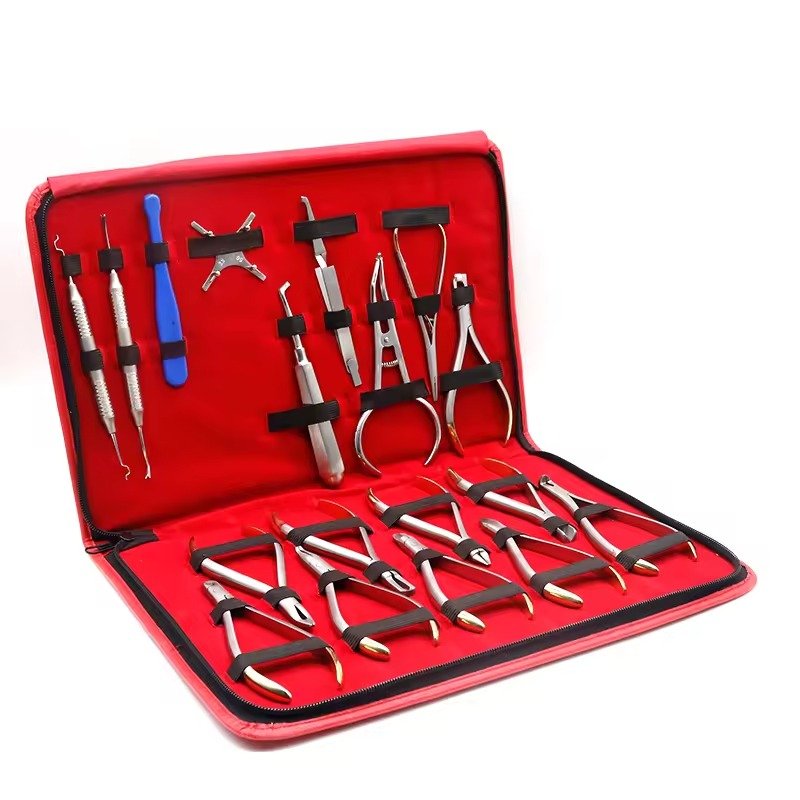
Weingart, How, Adams, distal end cutters and more: the main types of orthodontic pliers and what each one is used for.
Gold handles, longer life, higher price: when tungsten carbide instruments are worth it and when stainless steel is the smarter buy.
AISI 410, 420, 440 and 304/316 explained: which stainless steel grades are used for surgical instruments and what German steel really means.
Building your own instrument brand? How OEM and private label manufacturing works, what it costs, and how to choose the right supplier.
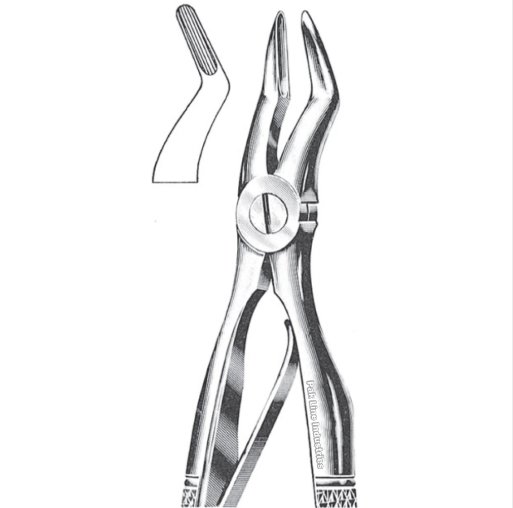
English vs American pattern, upper vs lower designs and the most common forceps numbers: a practical guide to dental extraction forceps.
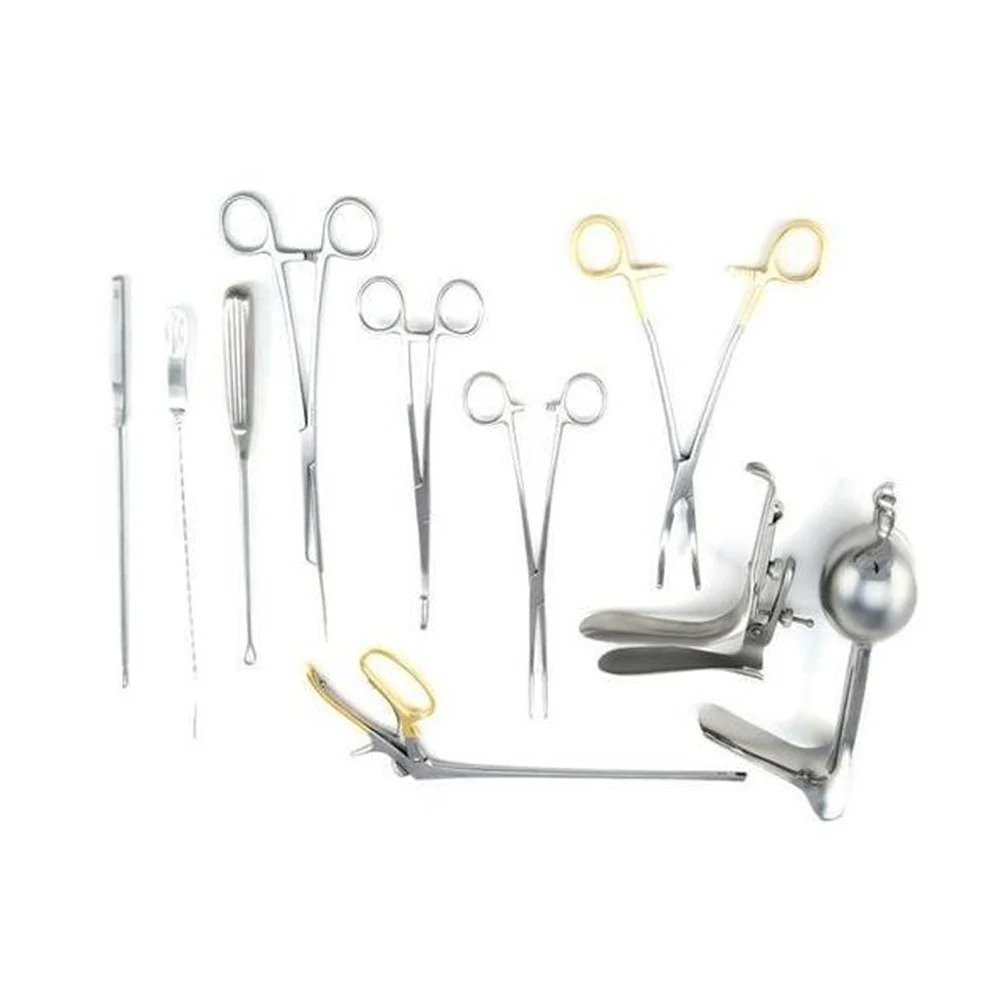
Cutting, grasping, clamping, retracting and suturing: a clear guide to the main types of surgical instruments and what each one is used for.
Why Sialkot produces most of the world’s surgical instruments, and how to choose, vet and work with a reliable manufacturer in 2026.
- 1
- 2