


There are thousands of surgical instrument patterns, but almost all of them belong to a handful of functional groups. Knowing these groups makes it far easier to build a hospital tray, plan a product range as a distributor, or simply understand what you are buying. This guide covers the main types of surgical instruments, their common names and how they are used.
1. Cutting and dissecting instruments
Cutting instruments divide tissue, sutures and dressings. The most common are:
- Scalpels and scalpel handles: No. 3 and No. 4 handles hold disposable blades for skin incisions.
- Metzenbaum scissors: long, slim scissors for delicate tissue dissection.
- Mayo scissors: heavier scissors for cutting fascia and thick tissue, straight or curved.
- Iris and tenotomy scissors: small, fine scissors for ophthalmic, plastic and micro procedures.
- Suture scissors: used only to cut suture material, often with a hook or notch.
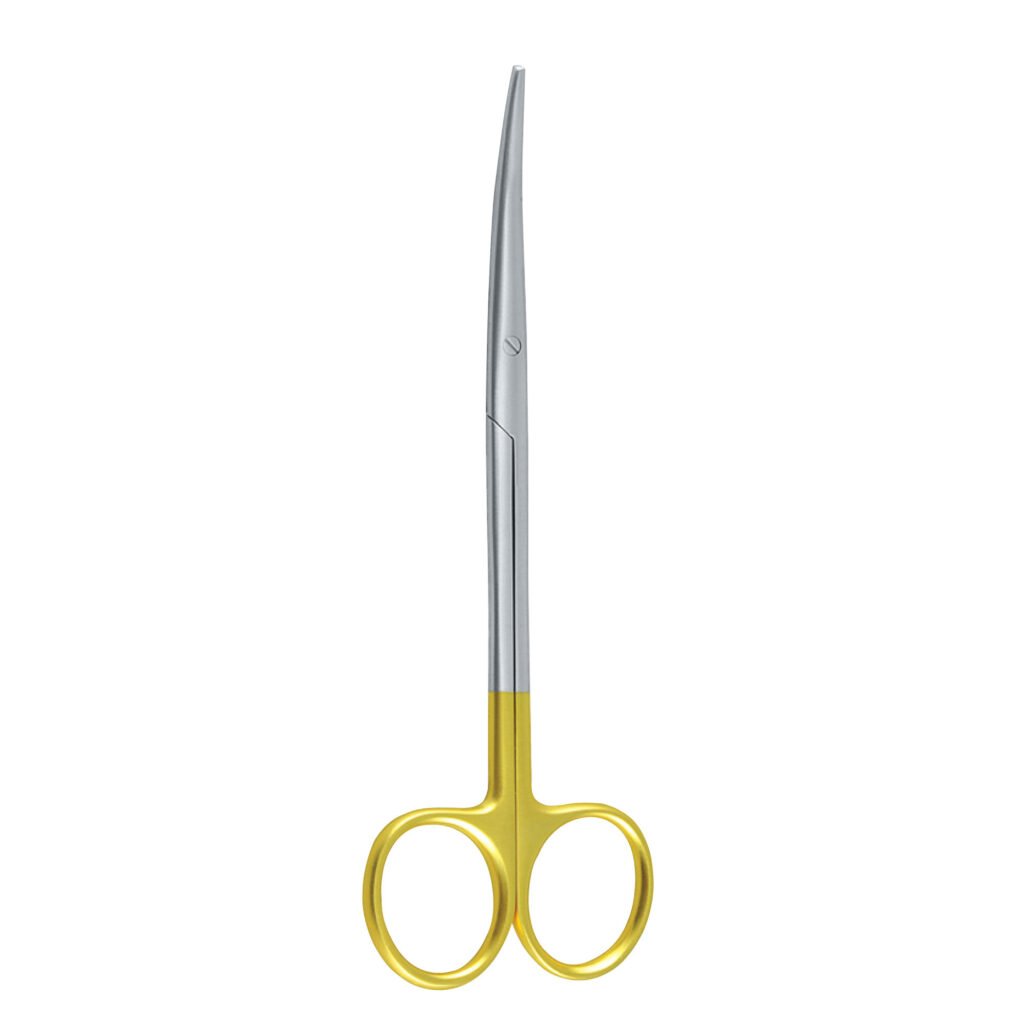
Premium scissors often feature tungsten carbide inserts, recognisable by gold-coloured handles, which keep the cutting edge sharp for much longer.
2. Grasping and holding instruments
These instruments hold tissue or objects without cutting them.
- Tissue forceps: such as Adson and Allis forceps, often with teeth to grip tissue securely.
- Dressing forceps: smooth or serrated tips for handling dressings and gauze.
- Babcock forceps: atraumatic grasping of delicate structures such as bowel.
- Sponge holding forceps: hold swabs for prepping and absorbing fluids.
3. Clamping and occluding instruments (haemostats)
Clamps compress vessels or tissue to control bleeding. They have ratchet locks so they stay closed.
- Mosquito forceps: small, fine haemostats for small vessels.
- Kelly and Crile forceps: medium haemostats, partially or fully serrated jaws.
- Kocher forceps: heavier clamps with teeth for tough tissue.
- Intestinal and vascular clamps: designed to occlude without crushing.
4. Retracting and exposing instruments
Retractors hold wounds and organs apart so the surgeon can see and work. They may be handheld or self-retaining.
- Handheld: Army-Navy, Senn, Deaver and Richardson retractors.
- Self-retaining: Weitlaner, Gelpi and Balfour retractors that lock open by themselves.
- Specula: such as vaginal and rectal specula used to expose body cavities.
5. Suturing and stapling instruments
Needle holders grip curved suture needles. Popular patterns include Mayo-Hegar, Webster, Crile-Wood and Castroviejo for micro work. Like scissors, many needle holders are available with tungsten carbide jaws for a firmer, longer-lasting grip.
6. Bone and orthopedic instruments
Orthopedic surgery needs strong, heavy instruments, for example:
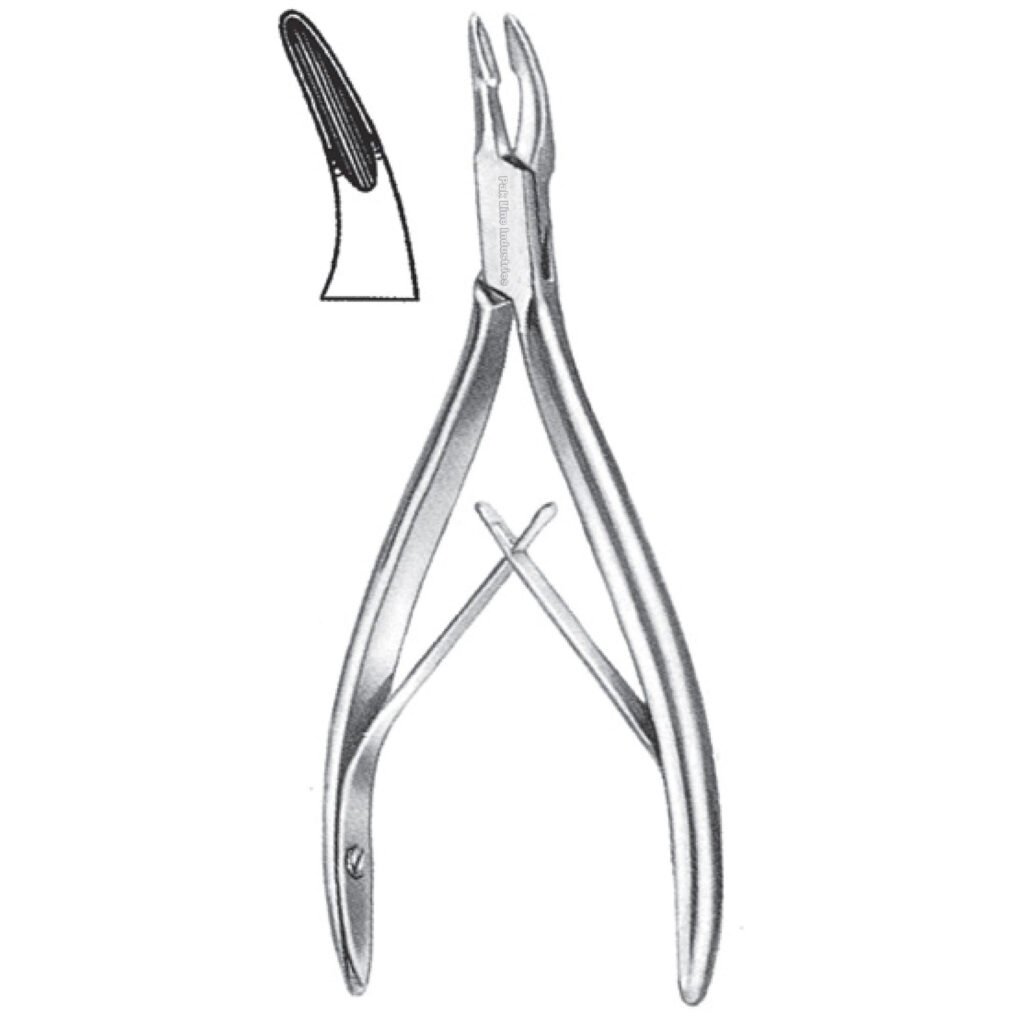
- Bone rongeurs: such as Luer and Friedman, for nibbling bone.
- Bone cutters and chisels, osteotomes and mallets.
- Bone curettes and rasps.
7. Probing, dilating and suction instruments
Probes explore wounds and sinus tracts, dilators widen openings such as the cervix or urethra (for example Hegar and Pratt dilators), and suction tubes such as Yankauer and Frazier remove fluids from the surgical field.
8. Specialty instrument families
Beyond general surgery, each specialty has its own range:
- Dental instruments such as extraction forceps, elevators and scalers.
- Orthodontic pliers and dental implant instruments.
- Gynecology instruments such as specula, dilators and curettes.
- Electrosurgical instruments such as bipolar forceps.
- Veterinary instruments for animal surgery.
Choosing the right quality
For reusable instruments, look for surgical-grade stainless steel, correct heat treatment, smooth box joints and a satin or mirror finish that resists corrosion. All Pak Line instruments are manufactured in Sialkot to ISO 13485 and CE quality standards, and every piece is inspected before dispatch. Browse the complete range of surgical instruments or ready-made instrument sets.
FAQs
What are the four basic categories of surgical instruments?
The four basic groups are cutting and dissecting, grasping and holding, clamping and occluding, and retracting and exposing instruments.
What is the difference between forceps and clamps?
Forceps usually have no lock and are held closed by hand, while clamps (haemostats) have a ratchet that keeps the jaws locked on tissue or vessels.
Source instruments direct from the manufacturer
Pak Line Industries has manufactured surgical, dental and beauty instruments in Sialkot, Pakistan since 1985. ISO 13485 & CE quality, OEM and private label, exported to 55 countries.
