


Walk into any operating theatre and you will notice that some scissors and needle holders have gold-coloured handles. Those gold rings indicate tungsten carbide (TC) inserts. TC instruments cost more than standard stainless steel versions, so buyers often ask whether they are worth the extra investment. Here is a clear comparison.
What is tungsten carbide?
Tungsten carbide is an extremely hard material, much harder than surgical stainless steel. In instruments, small TC inserts are brazed or welded onto the working surfaces, such as the jaws of a needle holder or the cutting edges of scissors, while the body of the instrument remains stainless steel.
Advantages of tungsten carbide instruments
- Much longer life: TC edges and jaws resist wear far better, so instruments stay sharp and grip securely for years.
- Better grip on needles: TC needle holder jaws have a fine cross-hatched pattern that holds needles firmly without rotation.
- Smoother cutting: TC scissors cut cleanly with less tissue trauma and need sharpening less often.
- Replaceable inserts: on many patterns worn inserts can be replaced, extending instrument life further.
- Easy identification: gold handles make TC instruments easy to spot on a tray.
Disadvantages
- Higher purchase price, typically noticeably more than standard stainless steel versions.
- Brittleness: inserts can chip if the instrument is dropped or misused, for example cutting wire with tissue scissors.
- Specialised repair: re-tipping requires a skilled manufacturer.
Which instruments benefit most from TC?
- Needle holders: the biggest benefit, because jaws wear quickly with constant needle handling.
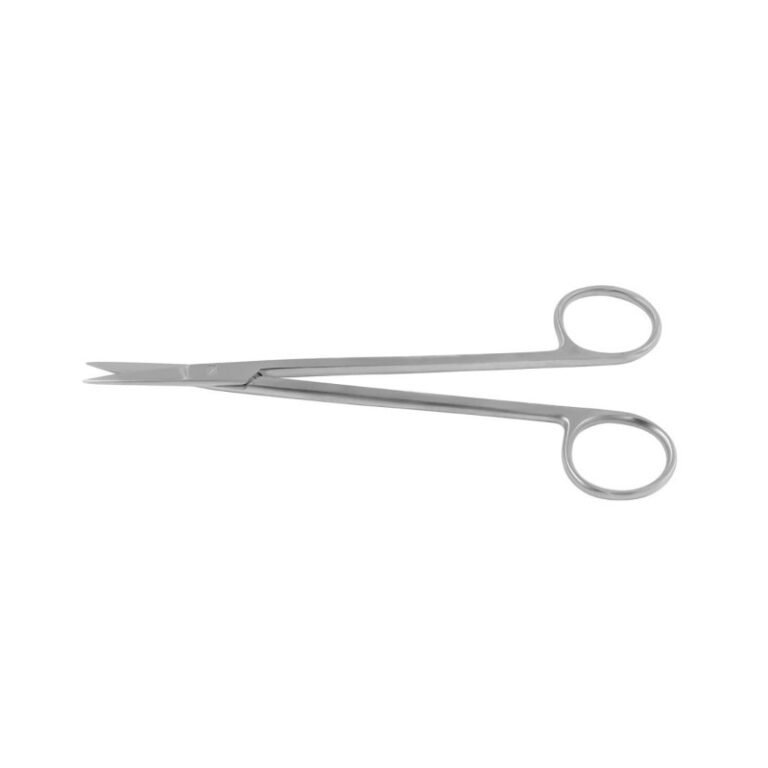
- Dissecting and Mayo scissors: used daily and sharpened often.
- Tissue and dressing forceps: TC tips improve grip on delicate tissue.
- Orthodontic wire cutters and pliers: TC edges cut hard wires cleanly and last longer.
Cost per use: the real comparison
Although TC instruments cost more upfront, they often last several times longer than standard instruments in high-use settings, which can make the cost per procedure lower. For hospitals, busy dental clinics and surgical centres, TC is usually the better value. For low-volume clinics, training kits or disposable-style use, standard stainless steel is often sufficient.
How to care for TC instruments
Do not drop TC instruments, avoid cutting anything other than tissue or suture with TC scissors, open joints during cleaning and sterilisation, and lubricate hinges regularly. More tips in our instrument care guide and our article on cleaning and sterilising instruments.
Buy TC and stainless steel instruments direct
Pak Line Industries manufactures needle holders, scissors, forceps and orthodontic pliers in both standard stainless steel and tungsten carbide versions. Browse surgical instruments and orthodontic instruments, or ask about private label TC ranges.
FAQs
Why do some surgical instruments have gold handles?
Gold handles indicate that the instrument has tungsten carbide inserts on its jaws or blades.
Are tungsten carbide instruments autoclavable?
Yes. TC instruments can be cleaned and steam sterilised in the same way as stainless steel instruments.
Source instruments direct from the manufacturer
Pak Line Industries has manufactured surgical, dental and beauty instruments in Sialkot, Pakistan since 1985. ISO 13485 & CE quality, OEM and private label, exported to 55 countries.
