


ENT instruments list with names and uses: ear, nose and throat instruments, alligator forceps and scissors, tonsil and septum sets, plus quality checks.
Category Archives: Buying Guides
Buying Guides, Surgical Instruments
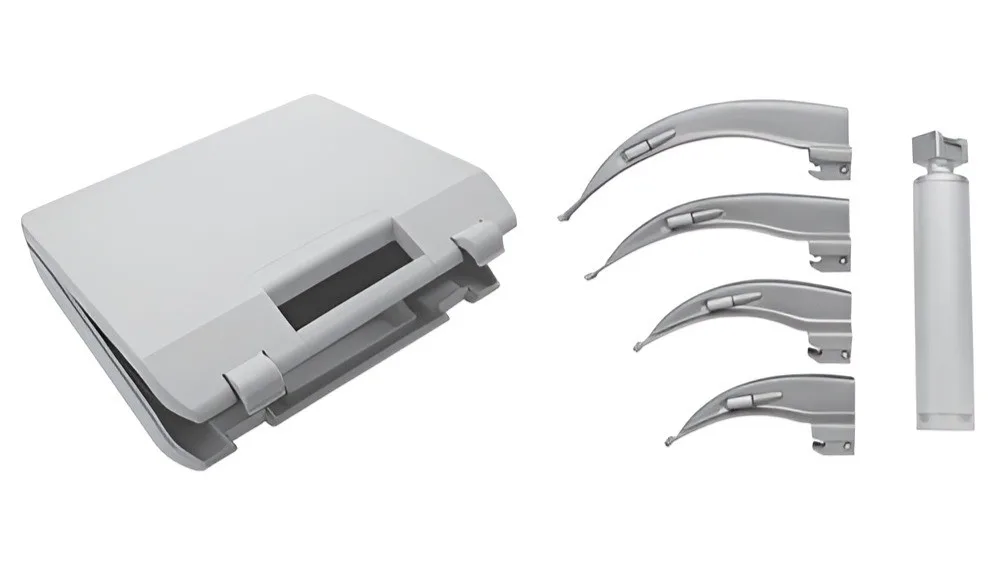
Laryngoscope Blades Guide: Macintosh vs Miller, Sizes, Fibre-Optic and Quality
07
Nov
Laryngoscope blades explained: Macintosh vs Miller, Wisconsin, McCoy and Robertshaw, blade sizes, conventional vs fibre-optic systems and quality checks.
Buying Guides, Surgical Instruments
Non-Stick Bipolar Forceps: Types, Materials, Coatings and Quality Checks

05
Nov
Non-stick bipolar forceps explained: why tissue sticks, silver-alloy tips, stainless steel vs titanium, insulation testing, connectors and a buyer checklist.
Buying Guides, Surgical Instruments
Surgical Retractors, Clamps and Rongeurs: Types, Uses and Buying Guide

04
Nov
Surgical retractors, clamps and rongeurs explained: hand-held vs self-retaining retractors, hemostats, Luer, Leksell and Kerrison rongeurs, and quality checks.
Buying Guides
Dental Extraction Instruments Guide: Forceps, Elevators and Specialty Tools for B2B Buyers

04
Nov
Dental extraction instruments explained for B2B buyers: forceps numbers (#150, #151, cowhorn), elevators, probes, orthodontic pliers and quality checks.
Buying Guides, Surgical Instruments
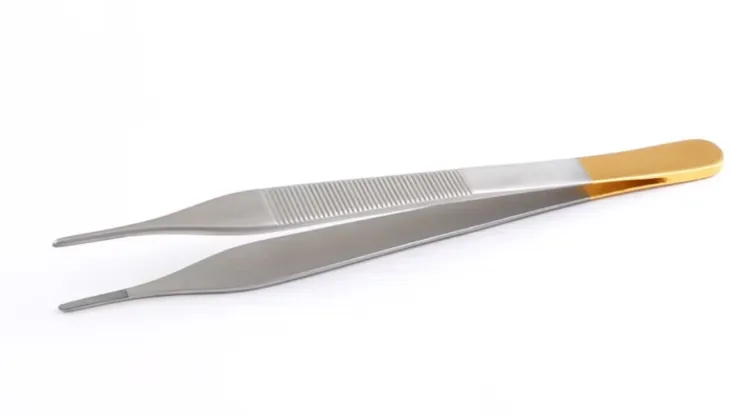
Adson Forceps With Teeth vs Without Teeth: Uses, Types and Buying Guide
04
Nov
Adson forceps with teeth vs without teeth: 1×2 tissue vs smooth dressing forceps, uses, Adson-Brown and TC variations, sizes and what to specify when ordering.
Buying Guides, Surgical Instruments
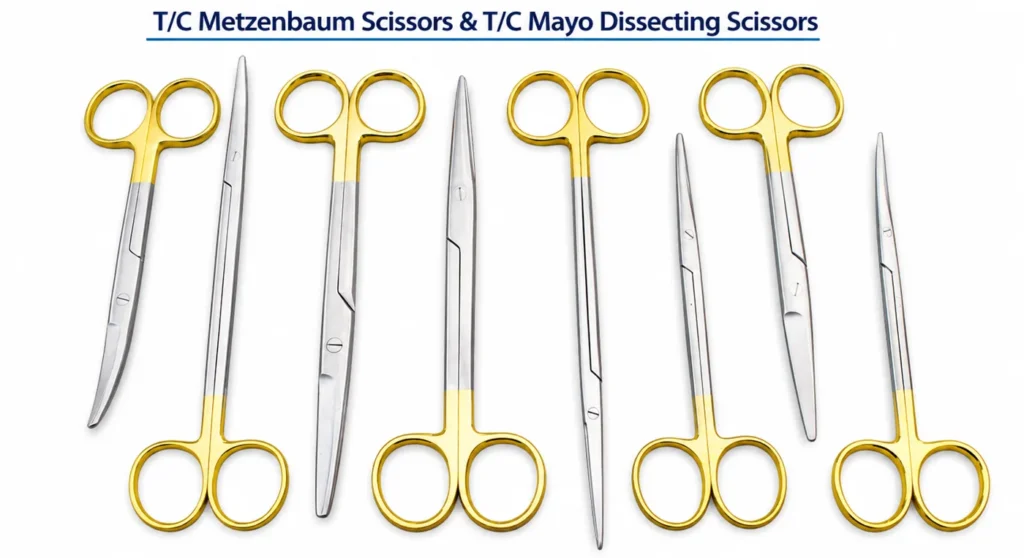
Metzenbaum vs Mayo Scissors: Differences, Uses, Sizes and T/C Guide
03
Nov
Metzenbaum vs Mayo scissors explained: differences, uses, straight vs curved, standard sizes, and why tungsten carbide (T/C) scissors stay sharp longer.
Buying Guides, Surgical Instruments
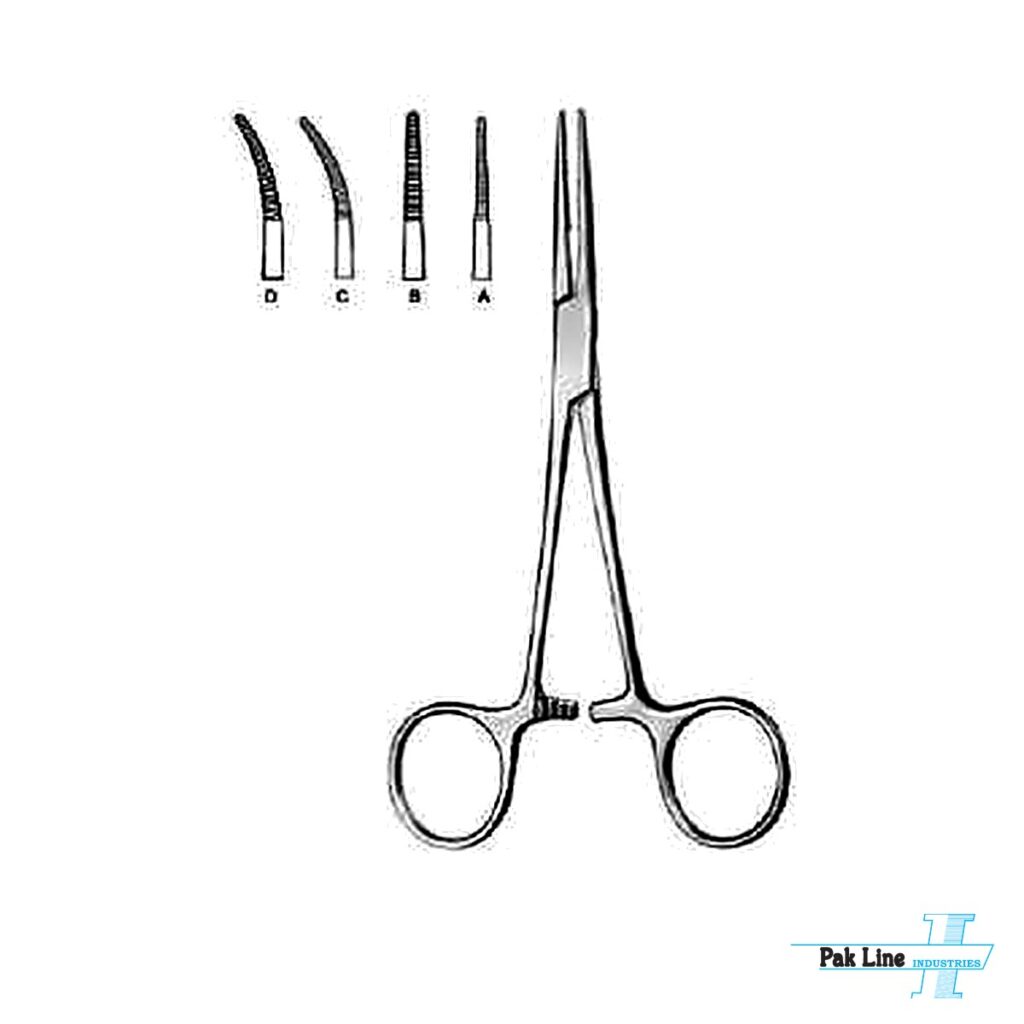
German vs Pakistani Surgical Instruments: What “German Steel” Really Means
02
Nov
German vs Pakistani surgical instruments: what German stainless steel means, where instruments are made, price and quality compared, and how to choose a supplier.
02
Nov
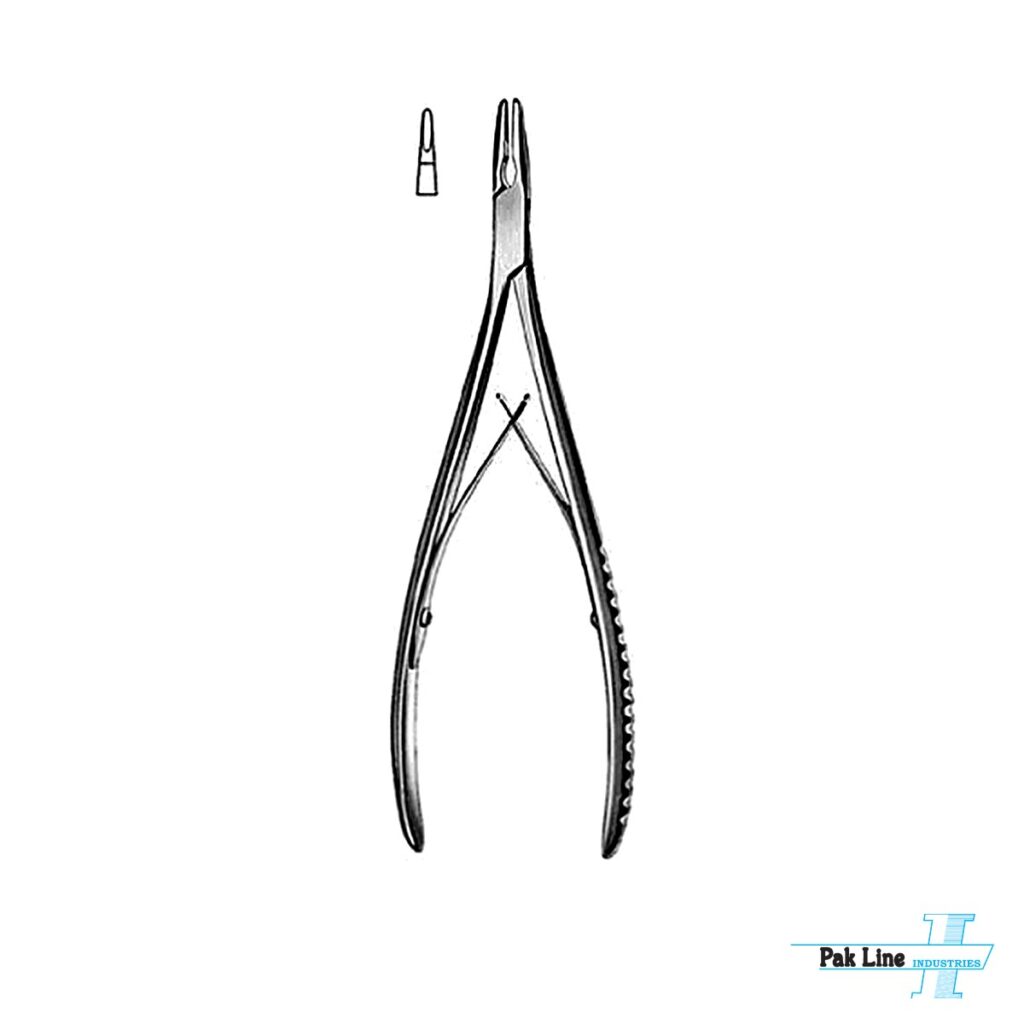
Orthopedic instruments list with pictures: bone rongeurs, osteotomes, chisels, mallets, saws, curettes, periosteal elevators and bone holding forceps.
Buying Guides, Surgical Instruments
Types of Surgical Forceps: Names, Pictures and Uses (Complete Guide)
30
Oct
Types of surgical forceps explained with pictures: tissue, dressing, hemostatic, Allis, Babcock, sponge, towel clamps, intestinal and specialty forceps.