

Every dental procedure, from a routine check-up to a surgical extraction, relies on a small set of hand instruments. Knowing the names of dental instruments and their uses helps dental students learn faster, helps clinics build complete trays, and helps distributors stock the items dentists actually reorder.
This guide lists the most important dental instruments by group, with pictures of instruments we manufacture in Sialkot, what each one is used for, and what to check when you buy.
Quick list: dental instrument names and uses
| Instrument | Group | Main use |
|---|---|---|
| Mouth mirror | Examination | Indirect vision, retraction, light reflection |
| Explorer (probe No. 23) | Examination | Detecting caries, calculus and margins |
| Periodontal probe | Examination | Measuring pocket depth in mm |
| Cotton (college) pliers | Examination | Placing and removing cotton and small items |
| Sickle scaler | Periodontal | Removing supragingival calculus |
| Gracey curette | Periodontal | Subgingival scaling and root planing |
| Spoon excavator | Restorative | Removing soft carious dentine |
| Amalgam carrier | Restorative | Carrying amalgam to the cavity |
| Plastic filling instrument | Restorative | Placing and shaping composite and cement |
| Condenser, burnisher, carver | Restorative | Packing, smoothing and shaping fillings |
| Cement spatula | Restorative | Mixing cements and liners |
| Matrix retainer (Tofflemire) | Restorative | Holding a matrix band for Class II fillings |
| Rubber dam clamp, forceps, punch, frame | Isolation | Isolating teeth from saliva |
| Extraction forceps | Oral surgery | Removing teeth |
| Root elevator / luxator | Oral surgery | Loosening teeth and roots |
| Periosteal elevator (Molt) | Oral surgery | Lifting gum and periosteum |
| Bone rongeur and bone file | Oral surgery | Trimming and smoothing bone |
| Needle holder, scissors, tissue forceps | Oral surgery | Suturing |
| Impression trays | Prosthetic | Taking impressions |
| Orthodontic pliers | Orthodontic | Bending wire, placing bands and brackets |
1. Examination (diagnostic) instruments
The basic examination kit is the first tray a dentist opens for every patient. It usually contains four instruments.
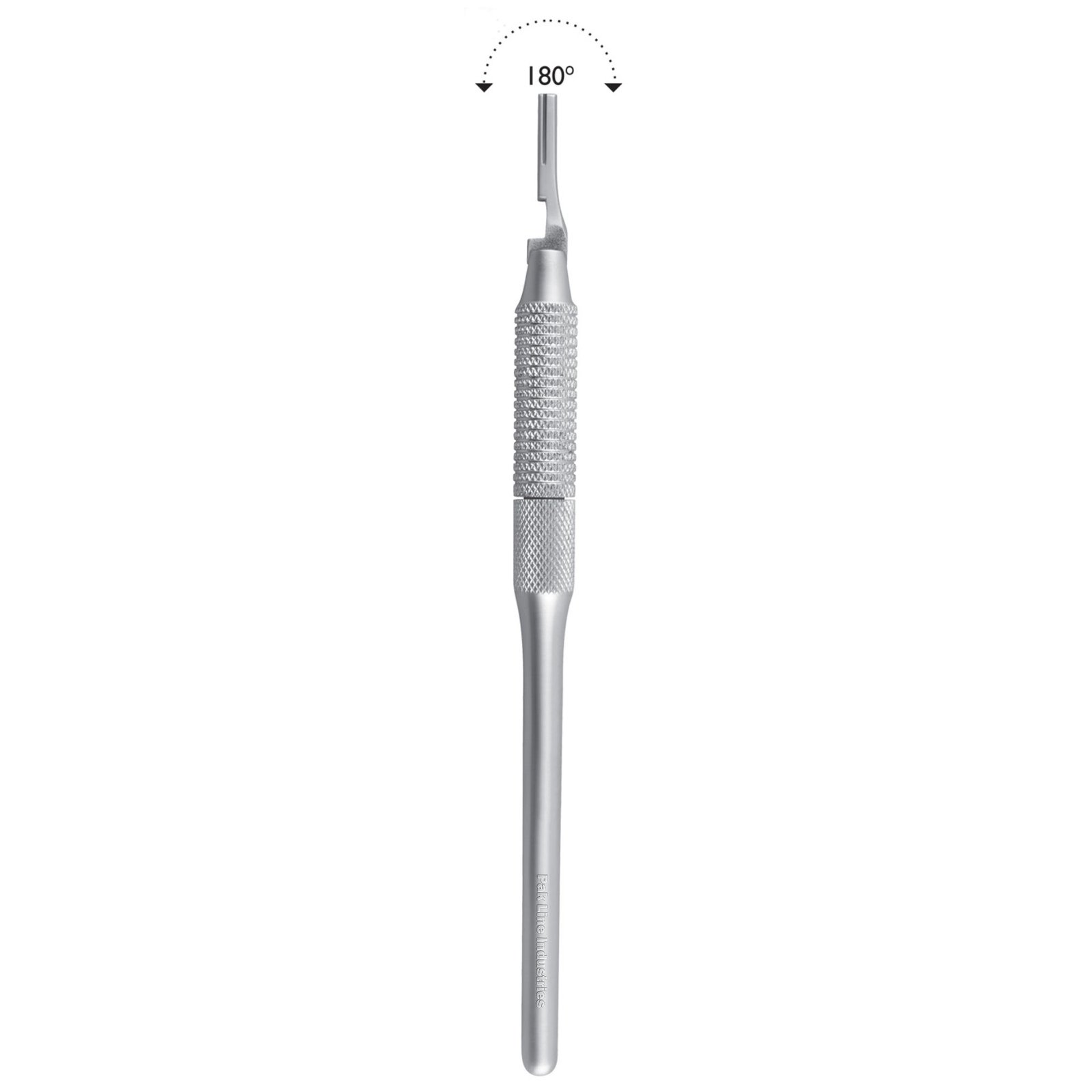
- Mouth mirror: a round mirror on a handle for indirect vision, reflecting light and retracting the cheek and tongue. Mirror heads screw onto reusable mouth mirror handles.
- Explorer: a sharp, thin probe (the No. 23 “shepherd’s hook” is the most common) used to feel for caries, calculus and the edges of restorations.
- Periodontal probe: a blunt, millimetre-marked probe (such as Williams or WHO) used to measure gum pocket depth.
- Cotton pliers (college tweezers): angled tweezers for placing cotton rolls, pellets and small items in the mouth.
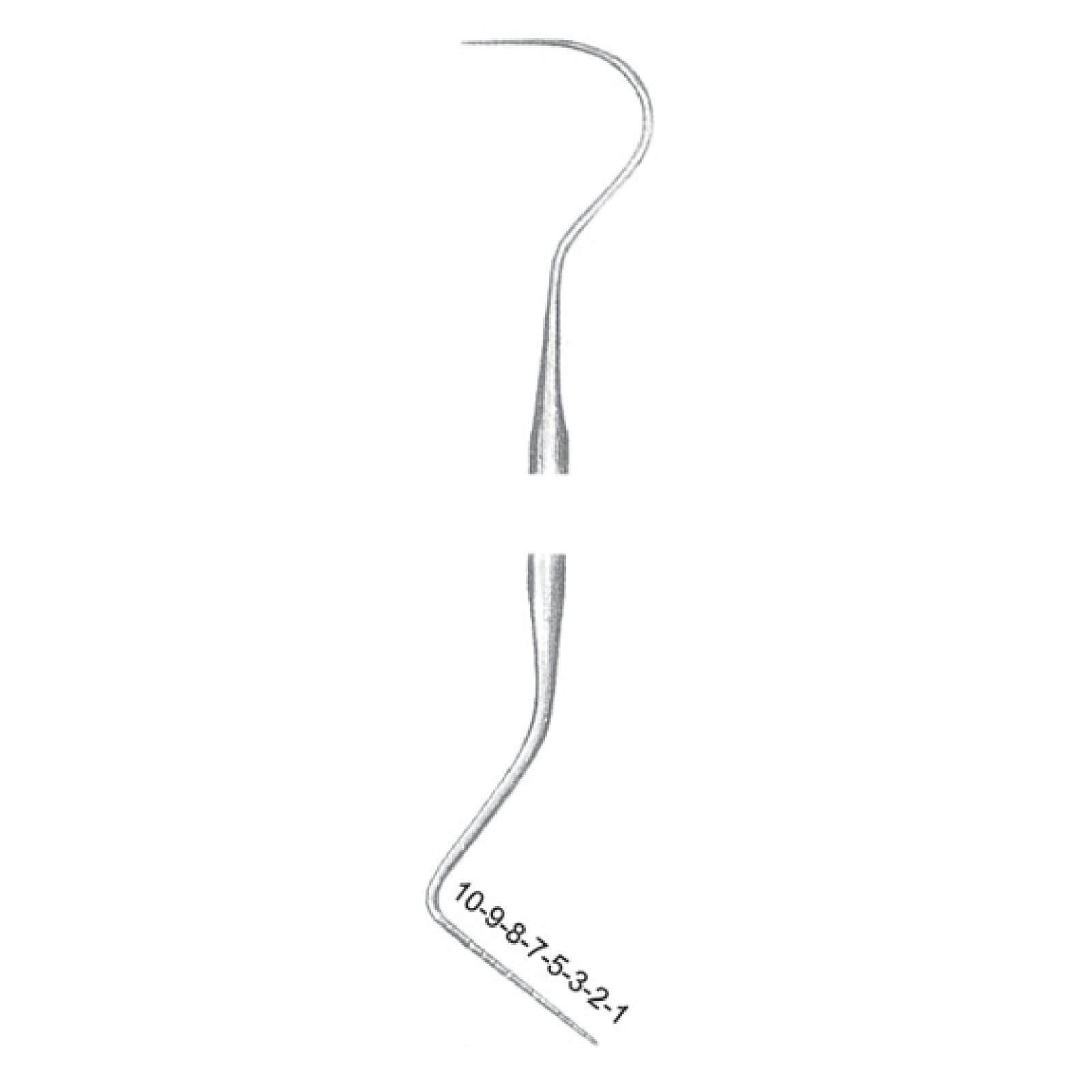
See our range of explorers and probes.
2. Periodontal and scaling instruments
These instruments remove plaque and calculus and clean root surfaces during hygiene and gum treatment.
- Sickle scaler: a pointed, triangular blade for removing calculus above the gum line.
- Gracey curettes: area-specific curettes (5/6, 7/8, 11/12, 13/14) with one cutting edge for deep scaling and root planing below the gum line.
- Universal curettes: two cutting edges, usable anywhere in the mouth.
- Hoe scalers and files: for heavy calculus on accessible surfaces.
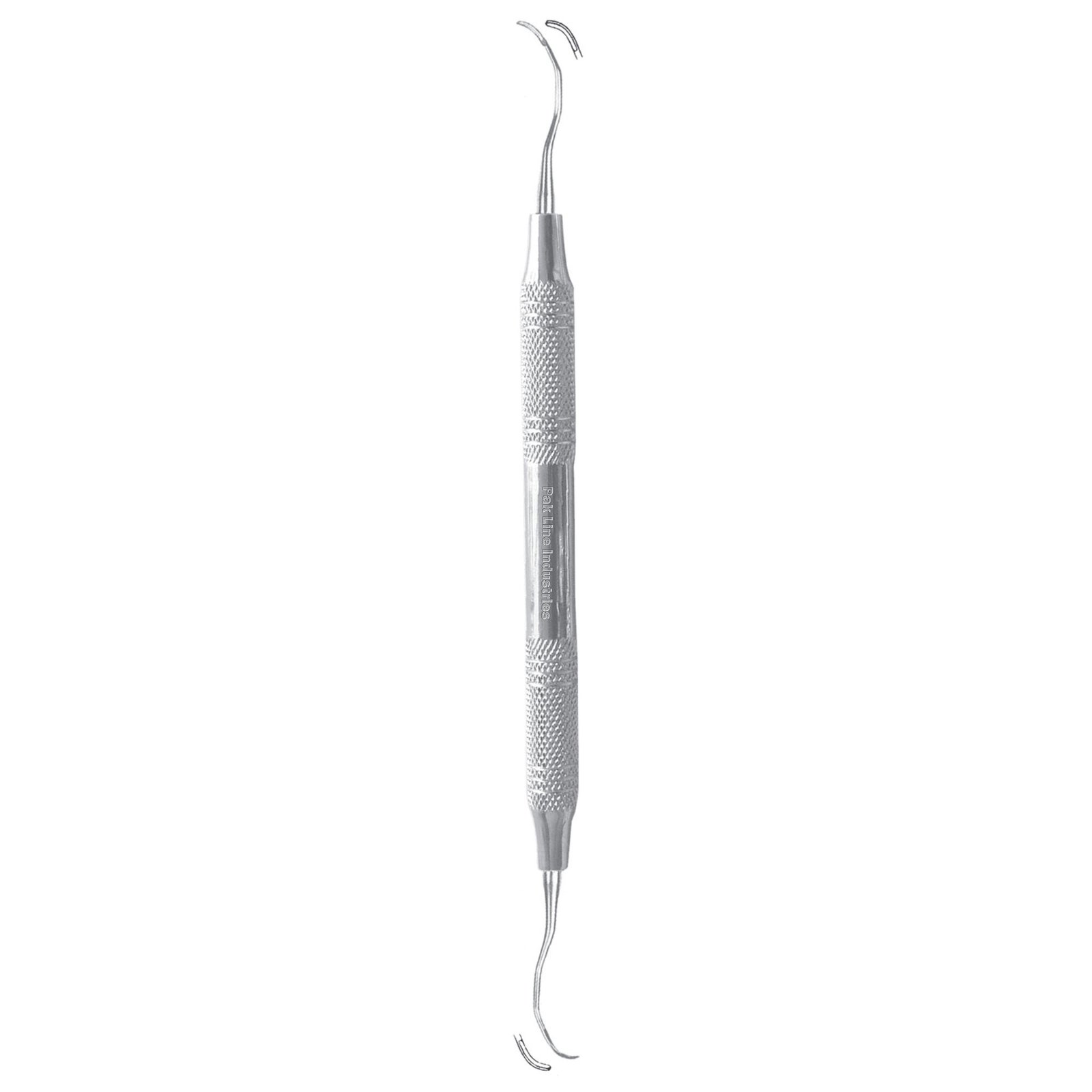
Learn the difference in our guide Gracey vs universal curettes.
3. Restorative (filling) instruments
Restorative instruments remove decay and place, pack and shape filling materials.
- Spoon excavator: a small spoon-shaped blade that scoops soft decay out of the cavity.
- Amalgam carrier: picks up and delivers amalgam into the prepared tooth.
- Plastic filling instrument: a double-ended instrument for placing and contouring composite, glass ionomer and temporary materials.
- Condenser (plugger): packs amalgam firmly into the cavity.
- Burnisher and carver: smooth the surface and carve anatomy into the filling.
- Cement spatula: mixes cements, liners and bases on a mixing pad or glass slab.
- Matrix retainer: holds a metal band around the tooth to rebuild a missing wall.
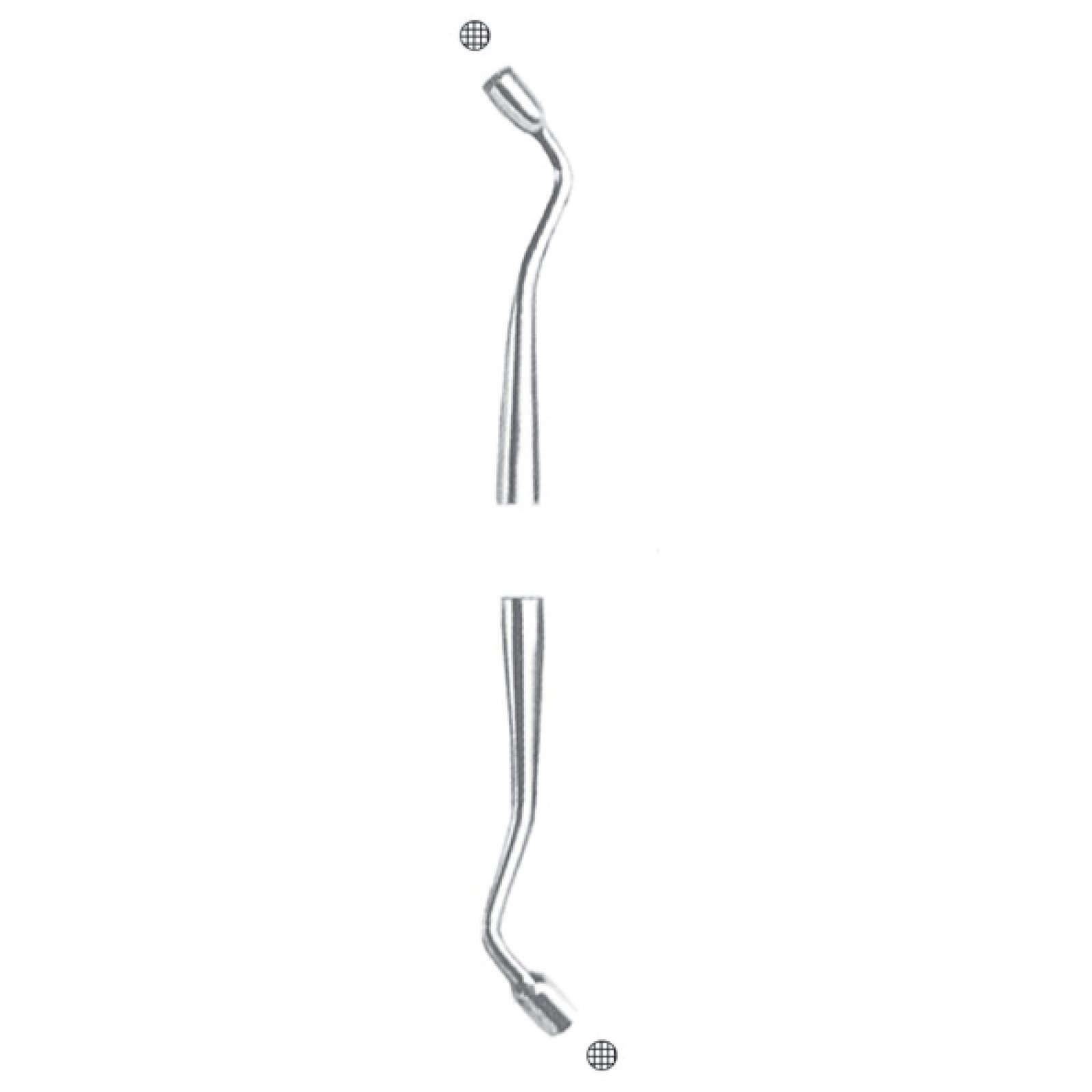
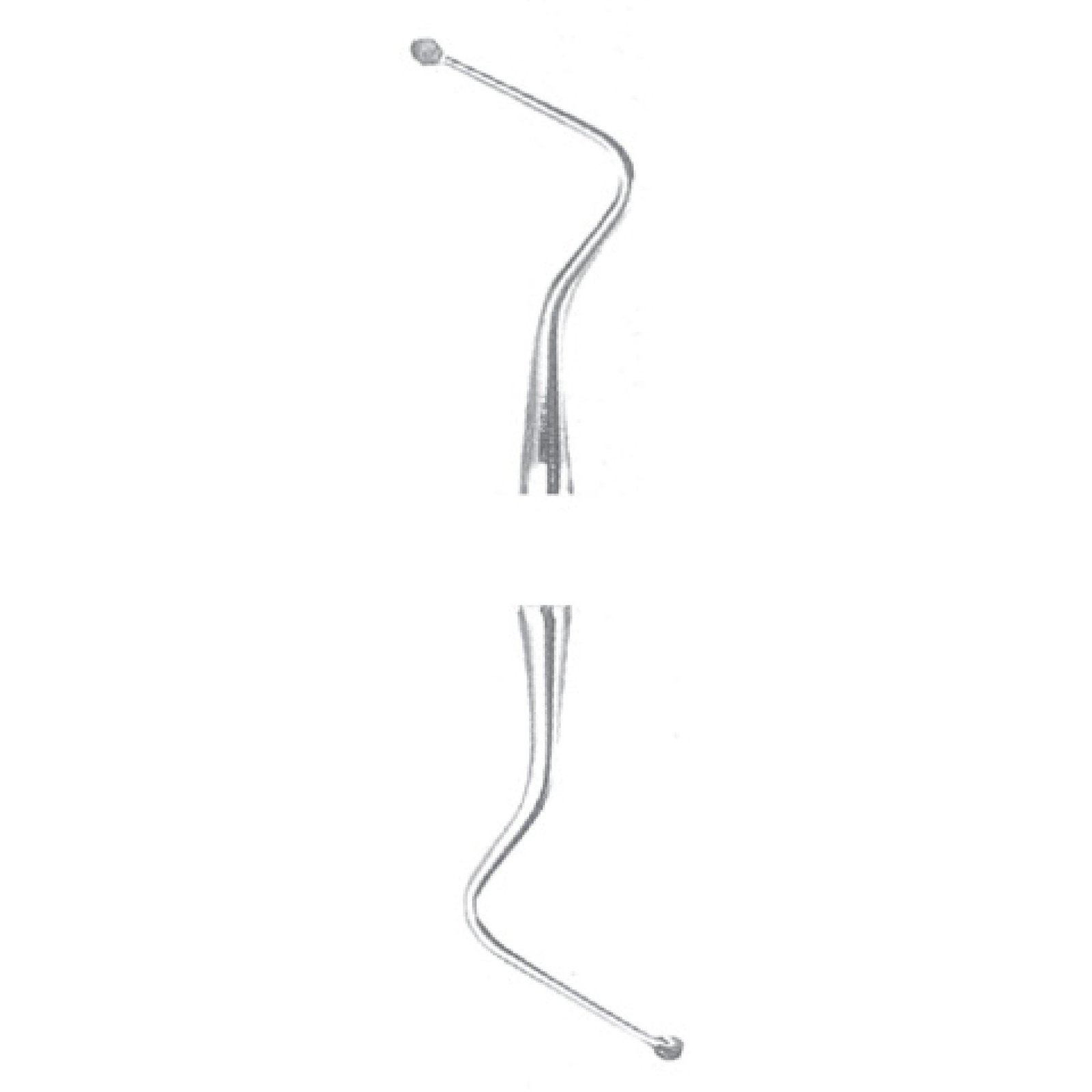
Browse filling instruments, excavators and amalgam carriers.
4. Isolation: rubber dam instruments
Rubber dam keeps the tooth dry and protects the airway during root canal and adhesive work.
- Rubber dam punch: punches holes in the dam sheet for each tooth.
- Rubber dam clamp: grips the tooth and holds the dam in place.
- Clamp forceps: opens and places the clamp.
- Rubber dam frame: stretches the sheet away from the face.
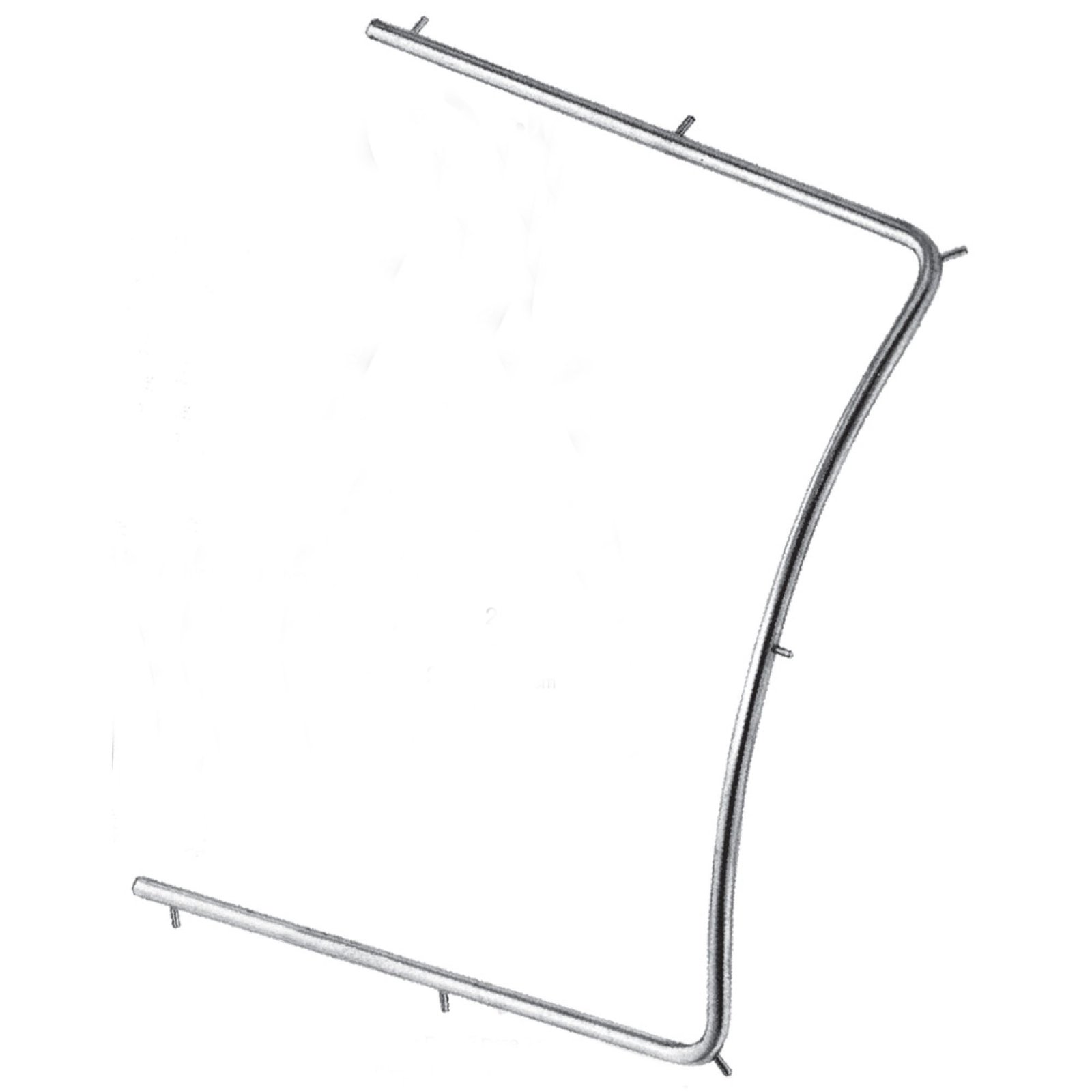
5. Extraction and oral surgery instruments
Oral surgery instruments are built heavier than restorative ones, because they must transmit force safely.
- Extraction forceps: beaks shaped for each tooth group (upper and lower incisors, premolars, molars, roots), in English or American pattern. Read our extraction forceps guide.
- Root elevators and luxators: straight (Coupland), Cryer and Warwick-James elevators loosen teeth and lift roots before or instead of forceps. See elevators vs luxators.
- Periosteal elevator (Molt): lifts the gum and periosteum to expose bone.
- Bone rongeur and bone file: trim sharp bone edges and smooth the socket.
- Needle holder, suture scissors and tissue forceps: close the wound after surgery.
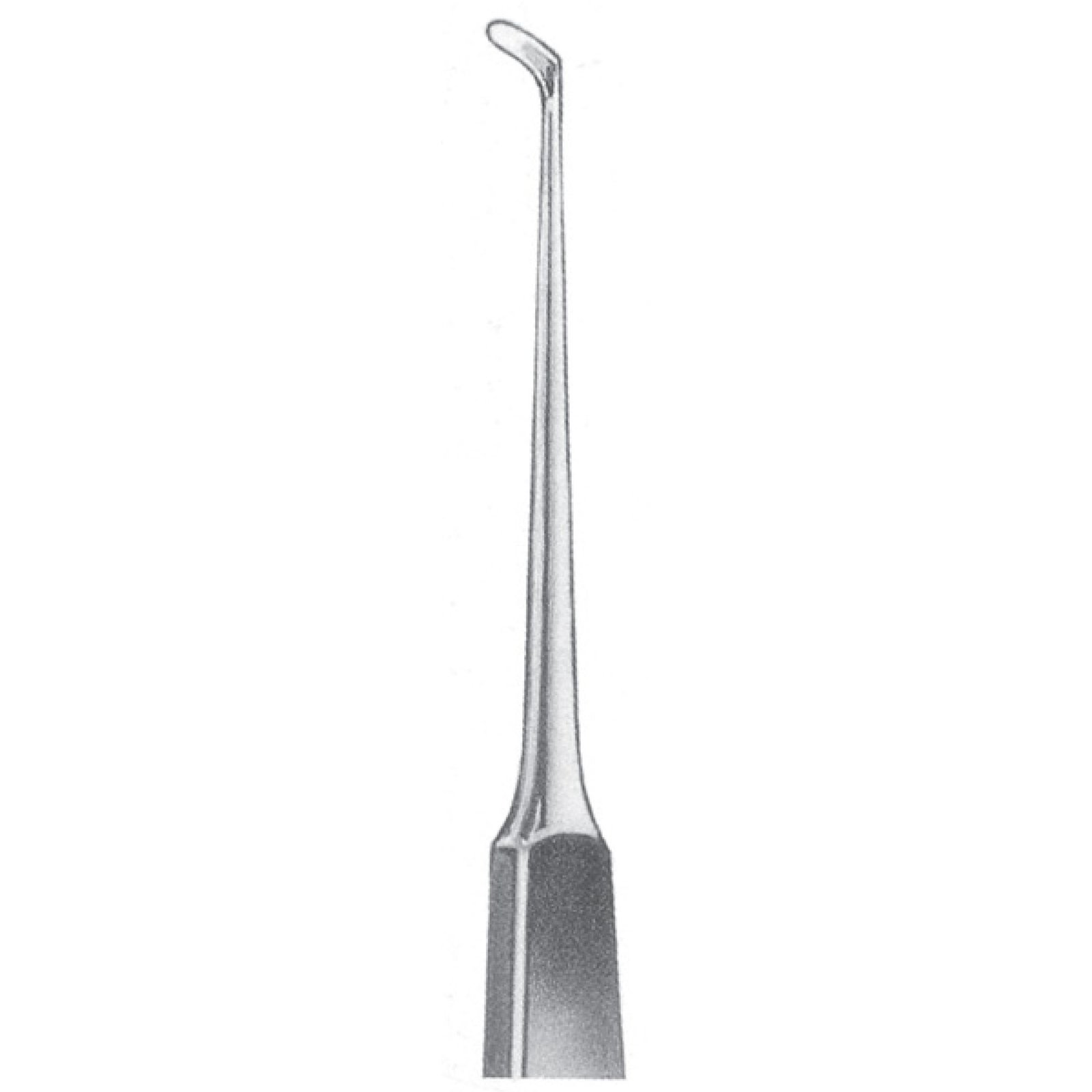
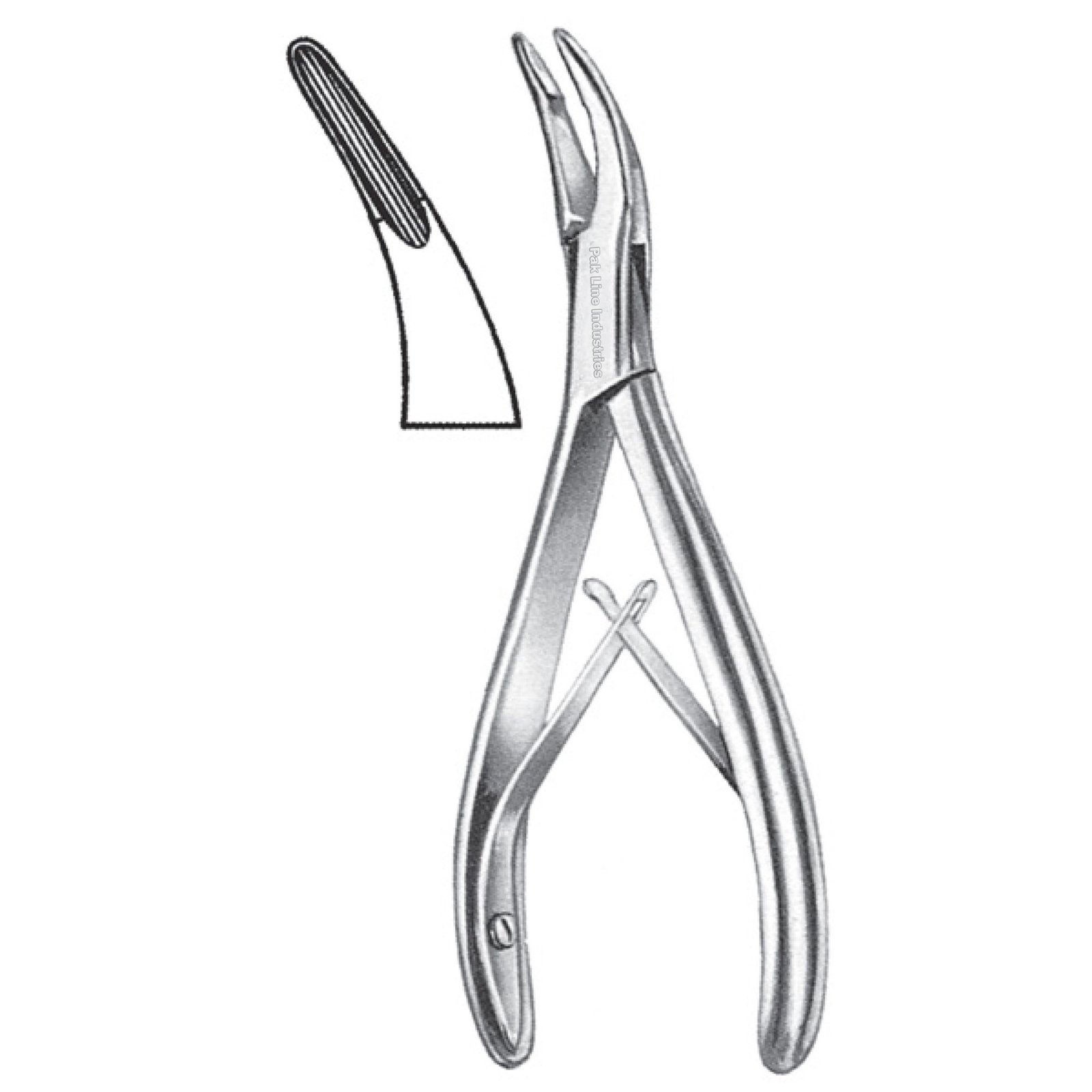
Explore our tooth extracting forceps, root elevators and bone rongeurs.
6. Prosthetic, orthodontic and implant instruments
- Impression trays: perforated or solid trays in several sizes for full and partial arch impressions.
- Wax and plaster instruments: wax carvers, plaster knives and spatulas for prosthetic and lab work.
- Orthodontic pliers and cutters: Weingart, How, bird beak and distal end cutters. See our orthodontic pliers guide.
- Implant instruments: osteotomes, sinus lift instruments, tissue punches and fine needle holders. See the implant kit list.
Building a basic dental instrument kit
A practical starter kit for a general dental clinic usually includes:
- 5-10 examination sets (mirror, explorer, probe, cotton pliers), one per chair per session
- One periodontal set: sickle scaler and Gracey 5/6, 7/8, 11/12, 13/14
- One restorative set: excavators, plastic filling instrument, condenser, burnisher, carver, cement spatula, matrix retainer
- One rubber dam kit
- One extraction set: upper and lower forceps, straight and Cryer elevators, periosteal elevator, rongeur, needle holder and scissors
We supply these as ready-made dental instrument sets or built to your own list.
What to check when buying dental instruments
- Steel: surgical-grade stainless steel to ISO 7153-1, hardened for cutting edges.
- Working ends: sharp, symmetrical blades and fine, aligned tips.
- Handles: hollow or wide handles reduce hand fatigue in long procedures.
- Finish: satin finish reduces glare; passivation prevents rust after repeated autoclaving.
- Documents: ISO 13485 and CE documentation for export markets.
Our 12-point quality checklist explains each test.
Dental instruments from Pak Line Industries
Pak Line Industries has manufactured dental instruments in Sialkot, Pakistan since 1985 for dentists, dental schools and distributors in Europe, the United States, the Middle East and Asia. We make every instrument in this guide, with wholesale pricing, OEM and private label. Visit our dental instruments page, download the dental catalogue or request samples.
FAQs
What are the basic dental instruments?
The basic examination set is a mouth mirror, explorer, periodontal probe and cotton pliers. Most clinics also need scalers and curettes, restorative instruments and an extraction set.
What is the most commonly used dental instrument?
The mouth mirror, which is used in almost every examination and treatment.
What is the difference between an explorer and a probe?
An explorer has a sharp tip for feeling caries and calculus; a periodontal probe has a blunt, millimetre-marked tip for measuring gum pockets.
What instruments are used for a tooth extraction?
Extraction forceps, root elevators or luxators, a periosteal elevator, and sometimes a bone rongeur, bone file, needle holder and scissors.
Can dental instruments be sterilised and reused?
Yes. Stainless steel dental hand instruments are reusable and can be steam sterilised at 134°C after cleaning.
Related guide: Dental extraction instruments guide for B2B buyers
Source dental instruments direct from the manufacturer
Pak Line Industries has manufactured surgical, dental and beauty instruments in Sialkot, Pakistan since 1985. ISO 13485 & CE quality, OEM and private label, exported to 55 countries.
